①-400x267.jpg)
The Power of Practice: What Japan’s Disaster Drills Teach Us
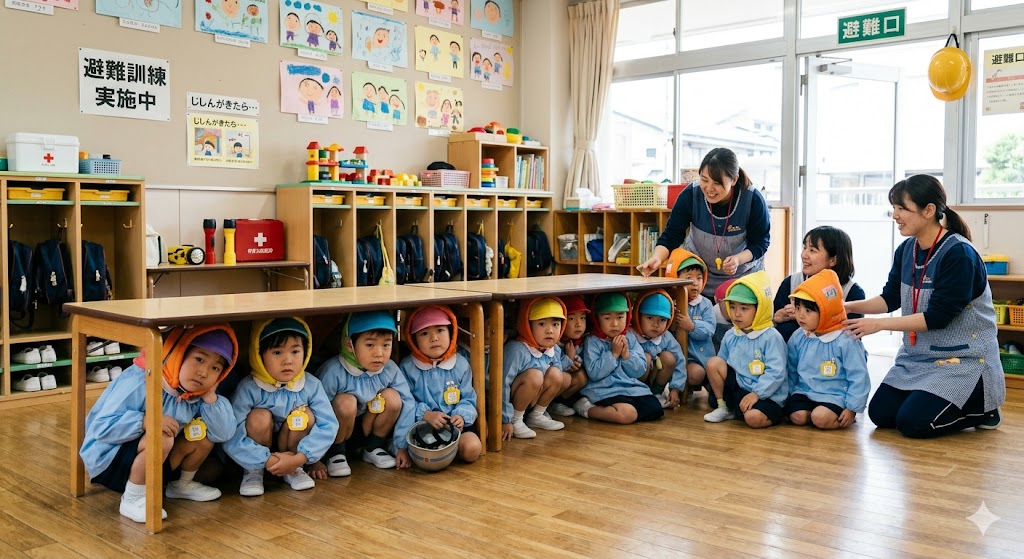
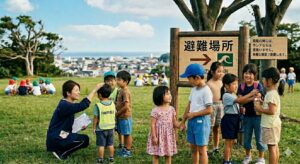
In Japan, earthquakes are something we simply can’t avoid—they are part of our daily lives. In kindergartens and schools, children take part in evacuation drills several times a year. Through regular practice, many of them learn from an early age how to react immediately to protect themselves.
In this column, I’d like to share a personal experience that shows how these drills can make a real difference.
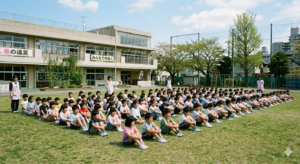
People in Japan are always aware that earthquakes can happen at any moment. With this mindset, disaster education isn’t a special event; it’s a natural part of growing up.
At kindergartens and schools, children repeatedly practice simple actions—getting under a desk, covering their heads, and moving to a safe place once the shaking stops. Sometimes, these drills are held without any warning to make them feel more like the real thing.
Through this kind of training, children learn to act without having to think twice in an emergency. This also helps reduce fear and confusion. In fact, during the Great East Japan Earthquake, there were many reports of children who safely evacuated to higher ground on their own, guided by what they had practiced in drills.
I had my own experience that really brought this home.
When my daughter was three years old, there was a small earthquake at home. I think it was the first time she had really felt the ground sway.
I was out on the balcony hanging laundry when I suddenly felt the house shake. For a second, my mind went blank and I froze, with my heart racing. I worried that my daughter might be scared or panicking, so I rushed back inside.
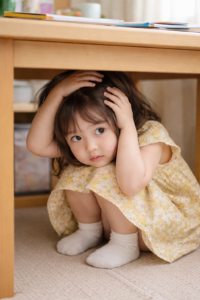
But the room was strangely quiet. The only sound was the dishes rattling in the cupboard. I looked around but couldn’t see her at first. Then it suddenly occurred to me—she might be under the table. I peered underneath, and there she was, curled up in a little ball and perfectly still.
I was honestly surprised. At the same time, I felt relieved. It must have been frightening for her, but without anyone telling her what to do, she calmly did what she had practiced.
In a real emergency, there’s often no time to think. That moment made me realize that repeated practice can turn into the ability to take action when it matters most.
To me, the real value of evacuation drills in Japan is that they prepare children to protect themselves, even when adults aren’t around. This kind of approach is something we can all bring into our own daily lives. The idea is simple—repeat basic actions until they become second nature.
Even just a few minutes of practice at home can create a real feeling of safety. Those small moments of preparation help give the whole family peace of mind.

①-800x533.jpg)