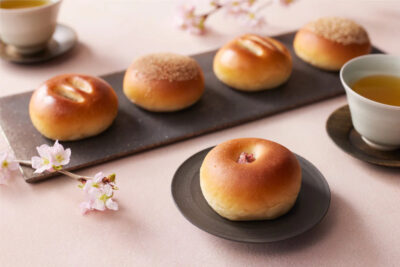


Anpan: A Gentle Blend of Old and New
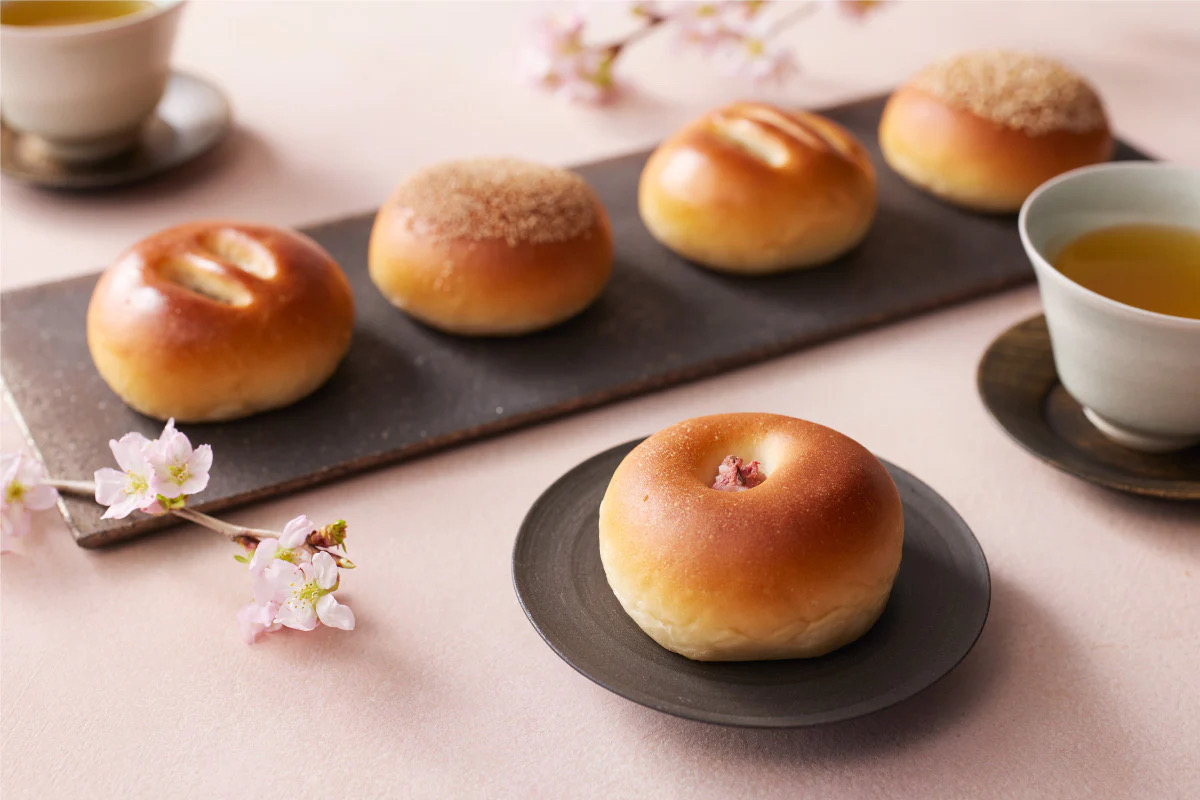
(Photo courtesy of Kimuraya Sohonten Official Website.)
If you’re traveling all the way to Japan, wouldn’t you want to taste something you can only find here? One food I highly recommend is anpan — a sweet bun that was born in Japan and is still not very well known overseas. At first glance, it may look like just another bread roll. Yet, this small treat holds a story about how Western bread was reshaped into something uniquely Japanese. It becomes even more special when you try it at the shop where it was first created.
In this column, I’d like to share the history of anpan and how tasting it changed the way I see it today.
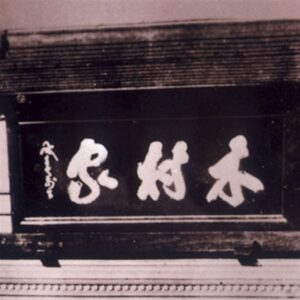
(Photo courtesy of Kimuraya Sohonten Official Website.)
Anpan is a soft bread filled with sweet red bean paste (anko). Bread was introduced to Japan from the West about 150 years ago. Back then, however, Western bread was said to be a bit hard and not something many Japanese people were used to.
Historical accounts say that this was when Kimura Yasubei, a baker at Kimuraya Sohonten in Tokyo, chose not to simply copy Western bread. Instead, he tried various ways to adapt it to Japanese preferences. For example, he used sakadane — a fermentation starter originally used for making sake — to create a softer texture. He also filled the bread with anko, a traditional Japanese sweet.
In this way, Western baking techniques and Japanese flavors came together. This combination later became known as anpan.

(Photo courtesy of Kimuraya Sohonten Official Instagram https://www.instagram.com/kimuraya1869/)
After learning about its history, I visited Kimuraya Sohonten in Ginza with my family to try anpan at its birthplace. When we entered the shop, we saw a wide variety of anpan displayed in the cases — not only the classic versions but also seasonal flavors made with different ingredients. We tried both the original one and a seasonal cranberry and cream cheese anpan to compare the flavors. The traditional anpan was just as I expected — soft, sweet, and comforting. Then, I eagerly tasted the seasonal one, wondering what it would be like. Even though it used Western ingredients like cranberry and cream cheese, it somehow still felt distinctly Japanese. I was genuinely surprised.
This experience reminded me that the quiet blending of new ideas and old traditions is still part of everyday life here.

(Photo courtesy of Kimuraya Sohonten Official Website.)
Anpan is a small reminder of how something unfamiliar can slowly find its place in Japan.
At the shop in Ginza, the round buns shine softly with a gentle gloss. When you pick one up and take a bite, the mild sweetness will slowly spread across your tongue.
In that single mouthful, where bread and anko come together, you may catch a small hint of how two traditions can gently blend.