

A Small Cover, A Private Space

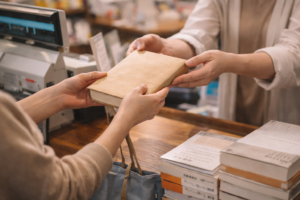
When you buy a book at a bookstore in Japan, a clerk usually puts a paper cover on it at the cashier. For me, this has always felt normal, and I rarely thought about it. However, in a YouTube travel video I watched, a visitor said, “It felt like they were wrapping a baby.” So I began to wonder why paper covers are still used in bookstores in Japan.
In this column, I look at how paper book covers are used in Japan, and how this small practice connects to everyday reading, drawing on my own experience.

From what I’ve read, two reasons come up when people talk about paper book covers in Japan.
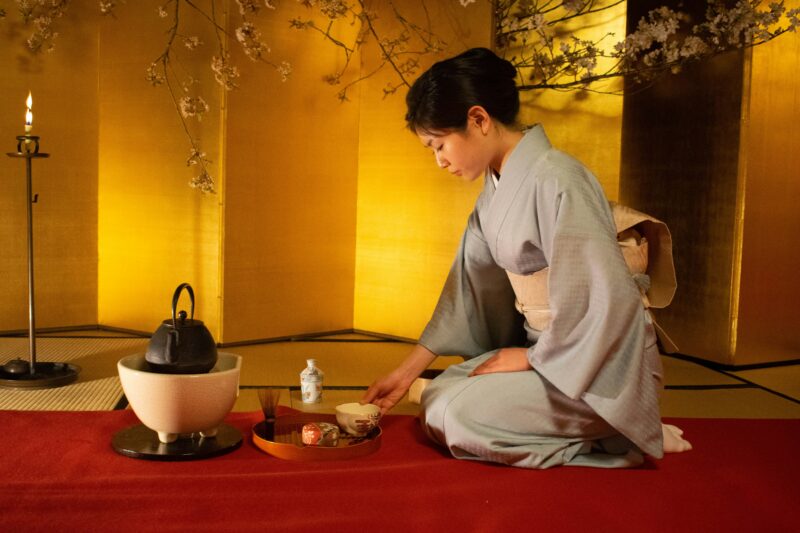
l often come across the idea that paper book covers are connected to Japan’s habit of wrapping things. In everyday life in Japan, people use items like furoshiki and noshi. Wrapping is often talked about as a way of showing care, not just protecting what is inside.
In bookstores, paper covers have long been used to show that a book has been paid for. I have read that this practice may have influenced the use of paper book covers we see today.
Another reason I frequently see mentioned relates to how people feel when reading in crowded public places. In places like trains or cafes, people sit very close to one another, and some readers start to feel aware of people around them while they read.
I have also noticed similar comments online. Some readers say they feel anxious when others can see the title of their book. Others mention that having a book cover makes it easier to settle into reading.
Taken together, these reasons suggest that paper book covers are connected both to long-standing customs and to how people feel about reading in shared spaces today.
When I used to commute by train, I usually read with a book cover. I often felt uncomfortable reading when other people were sitting so close. Sometimes, when I looked up and noticed someone glancing at my book, I would lose my focus and drift away from the story.
Even on a crowded train, it was easier to stay focused on the page. At the time, I thought this was just normal. I did not realize it was connected to a reading environment shaped by life in Japan.
I took this feeling for granted until I studied abroad. In the Philippines, I bought a book at a local bookstore. I kept worrying that people could see what kind of book I was reading. I asked a teacher at my language school whether book covers were common there. After that, I brought uncovered books to cafes and classrooms. From what I could see, no one seemed to pay attention to what others were reading. Even so, I could not stop worrying about how visible my book felt.
That concern kept distracting me from the book. Even though no one around me seemed to care, I found it hard to stay focused.

Looking back, paper book covers in Japan seem closely tied to reading in crowded public spaces.
Sometimes, you feel more comfortable when others cannot see what you are reading. A paper cover helps you focus on the page instead of worrying about people around you.
This practice also reflects Japan’s habit of wrapping things—a quiet way of handling books.
Put together, these ideas help explain why paper book covers remain common.
If you buy a book in Japan, take a moment to notice the paper cover. It is not just something added at the counter. It can be a small hint about how people read—and how it feels to open a book in a shared space.

Kenta Uchiyama is a writer and lifelong English learner from Japan. Living with schizophrenia, he hopes to promote understanding and reduce stigma through his creative work. By sharing Japanese culture in English, he aims to build bridges between different worlds — one story at a time.