

Toraya: A Sweet Harmony of Tradition and Innovation
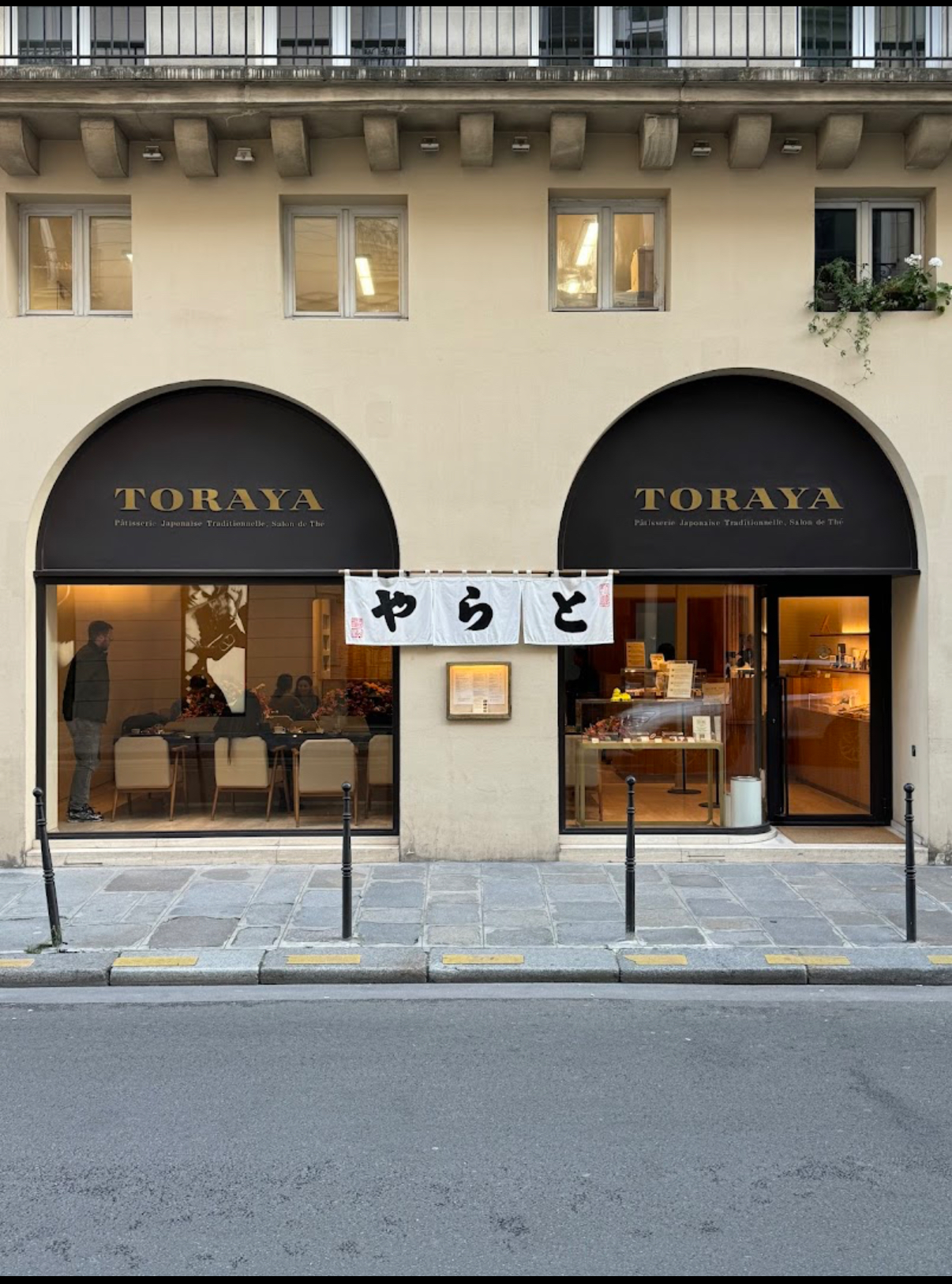
(Photo courtesy of Toraya Official Website.)
What comes to mind when you think of Japanese sweets? You might picture the simple beauty of dango or the seasonal elegance of sakuramochi. While Japan is home to countless confectioners, among them stands one name that has truly endured—Toraya. Famous for its high-quality wagashi and nearly 500 years of history, the brand is now quietly yet boldly evolving for the world. This column explores how Japanese tradition and the elegance of Paris came together to create a new sweets culture.
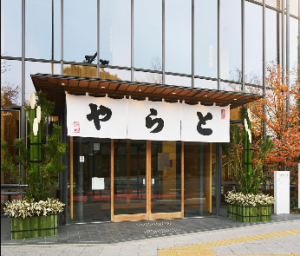
(Photo courtesy of Toraya Official Instagram www.instagram.com/toraya.confectionery/)
It all began nearly 500 years ago in Kyoto. Toraya has lived through centuries of change, crafting wagashi with the same care it once offered the Imperial Family. That quiet devotion—cultivated over generations—still lies at the heart of its sweets today. Toraya is guided by the calm, steady work of the people who shape each sweet by hand. That quiet care gives their wagashi a soft, peaceful beauty you sense even before you take a bite.
Over time, this tradition has done more than preserve recipes—it has shaped how Japan experiences sweetness itself. Wagashi is more than a dessert; it often captures a fleeting moment of the season. Sometimes the colors feel like early spring; other times the shape hints at autumn arriving. You don’t just eat it—you experience a small, seasonal surprise.
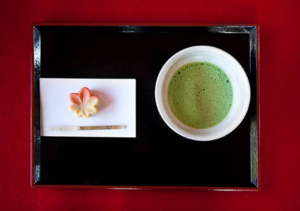
The bitterness of matcha meets the sweetness of wagashi, creating a delicate balance. The tea’s astringency sharpens the sweetness, leaving a pleasant aftertaste. This sensibility—the appreciation for nature’s subtle shifts and the quiet beauty of the seasons—lies at the heart of the Japanese aesthetic that Toraya has upheld throughout the years.
(Photo courtesy of Toraya Official Website.)
So imagine the surprise in 1980 when Toraya opened a boutique in Paris—yes, wagashi in Paris. At a time when most Parisians had never even seen sweet bean paste, opening a shop there must have felt like stepping into the unknown. Yet it was also the perfect chance to let a new audience discover the quiet, gentle sweetness Japan had cherished for centuries.
Stepping inside, they wouldn’t find buttery pastries but rows of tiny, jewel-like Japanese sweets. That moment must have felt like stumbling into another season, another culture. Paris became the place where Toraya’s centuries-old spirit met the city’s love for beauty in a fresh, unexpected way.
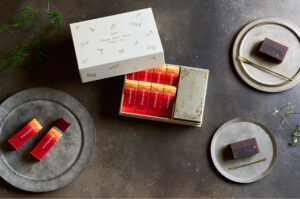
Toraya is well-known for yōkan, a sweet bean jelly. Recently, I had the chance to try a special variation called Cacao Orange Yōkan, created to celebrate the 45th anniversary of Toraya’s Paris opening. Have you ever tasted a blend that reimagines an ancient dessert? The use of chocolate and citrus was a rare experiment that breathed new life into tradition.
When I tasted it, the gentle sweetness of the bean paste spread softly at first. Then came the rich aroma of cacao, followed by the refreshing accent of orange peel. I was honestly amazed by how perfectly the flavors blended. It left me with a gentle, lingering pleasure.
The world of wagashi is not something to master through knowledge, but something to savor through experience. I warmly invite you to discover the new face of Japanese tradition through Toraya’s creations.
Tasting Toraya’s sweets made me realize something: a tradition lasts only when someone keeps moving it forward. Toraya has been doing that for centuries, and it’s what keeps wagashi so alive today. Maybe that’s a gentle reminder for all of us to remain open to new ideas. And perhaps that’s why, right now, someone is taking their very first bite of yōkan in a Paris shop—and finding something unforgettable. Why not try a piece yourself?
Yoshiko Niino
Yoshiko Niino is a midwife dedicated to improving Sexual and Reproductive Health and Rights (SRHR) throughout her career. After gaining clinical experience as a midwife, she lived in the United States for about seven years, where she gained intercultural experience and polished her English by taking a Master’s degree in Biomedical Ethics in English. She then returned to Japan and has since gained experience in administrative positions at a Health Economics Institution, and in nursing and midwifery education. She now seeks to leverage these life experiences as a column writer in Tokyo.