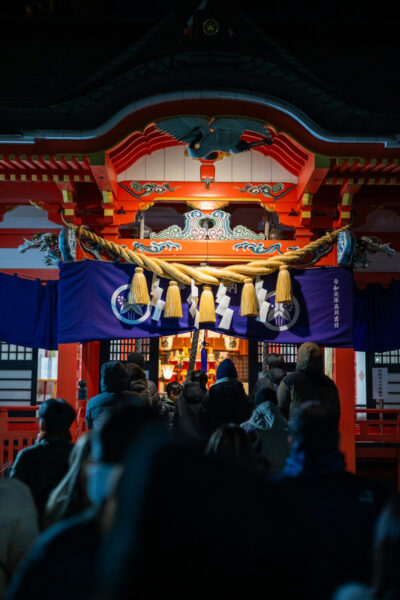


Beginning the Year with Gratitude: The Meaning of Hatsumōde
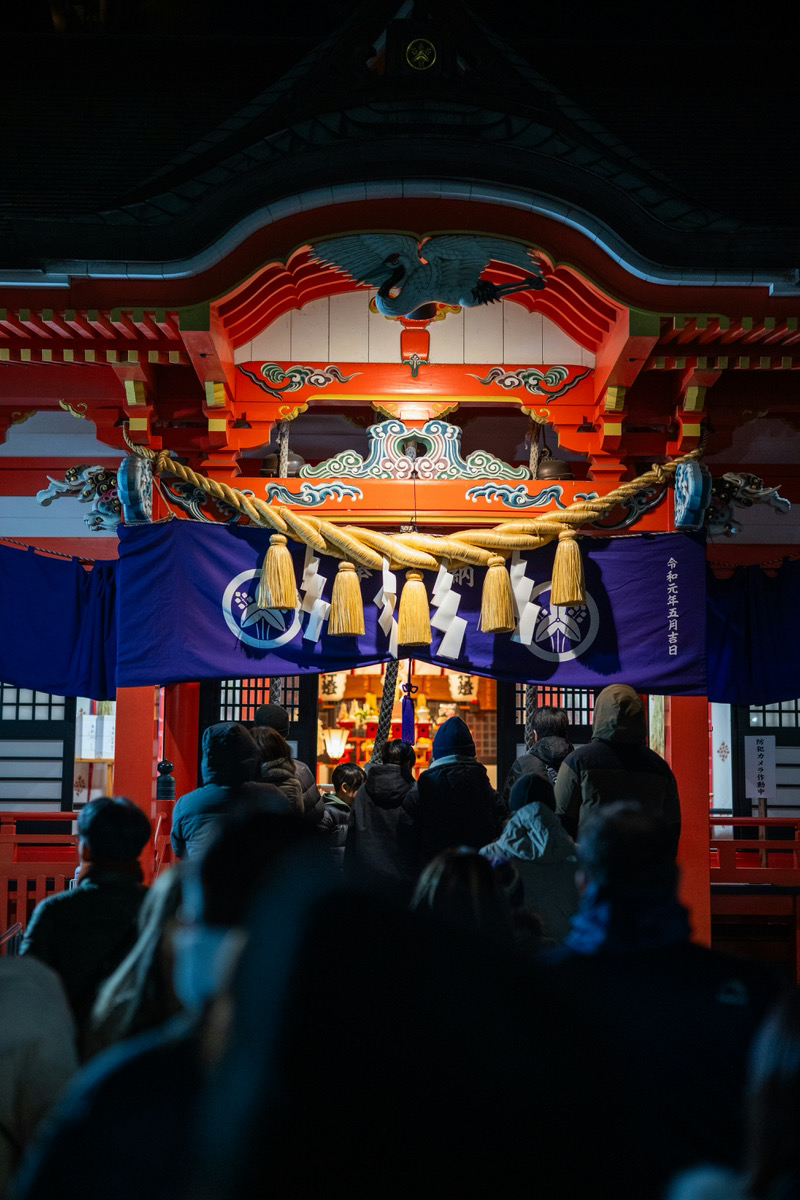
How do you spend New Year’s Eve in your country? In the United States, many celebrate with lively parties and fireworks. In Japan, many people quietly head to shrines or temples for Hatsumōde—the first shrine visit of the year. At midnight, they offer prayers of gratitude for the year that has passed and wishes for the year ahead. By experiencing this solemn and reflective moment—something quite different from the celebrations in many other countries—you may discover a glimpse into the Japanese way of thinking. In this article, I would like to share why Hatsumōde is so important to Japanese people and what this special time truly means.
The tradition of Hatsumōde seems to reflect a Japanese value of prioritizing gratitude over personal wishes. In Japan, the first shrine visit of the year is often understood to have two purposes. One is to give thanks for having safely lived through the past year. The other is to pray for happiness and good fortune in the year to come. For example, many people naturally pause before passing through a shrine’s “torii” gate, offering a small bow before entering. Such gestures may appear simple but they quietly express respect and gratitude. Perhaps it is through these small, repeated actions that what we call a sense of being Japanese takes shape.
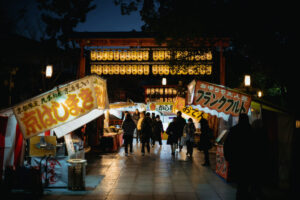
Every year, after finishing a New Year’s countdown program on television, I used to visit a nearby shrine with my mother and younger sister. Although I wore layers upon layers to stay warm, I still remember the cold night air brushing against my face, turning my nose red. The shrine was overflowing with people—far livelier than one might expect at midnight. And yet, there was a peaceful warmth in the air, a quiet sense of human connection. Hatsumōde was not only about prayer. It was also filled with small joys: chatting while waiting in line, sipping sweet amazake, catching the delicious smells from food stalls. Since we rarely went out at midnight in our daily lives, simply being outside together at that hour—walking, waiting, praying—felt special. The excitement of it all made us forget the cold.
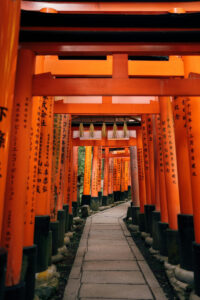
Stopping before the torii gate and bowing lightly before entering was something I had done since childhood without much thought. Only later did I realize how naturally Japan’s culture of bowing reveals itself in such moments. During prayer, I do not think only about myself. I quietly give thanks for the health and peace of my family and those around me. This time allows me to recognize, once again, the support and blessings that sustain my life. We no longer go together as the three of us once did. But someday, when my daughters are older, I hope to take them to a neighborhood shrine just as my mother once took me.
Hatsumōde is not simply about asking for blessings. It is a meaningful moment to express gratitude—to the deities and to the people who support your life each day.
In our busy routines, we rarely pause to reflect and give thanks. The beginning of the year offers that rare opportunity. Your experience will vary greatly depending on which shrine or temple you visit, and at what time. Some places overflow with visitors and festive energy. Others offer quiet moments in the clear midnight air, where people stand silently with hands pressed together in prayer. There is no single “correct” way to experience Hatsumōde. Its beauty lies in feeling it at your own pace. When you visit Japan, I hope you will step into a shrine or temple and experience this gentle, heartfelt tradition for yourself.
Alisa Tsuruta
I spent part of my childhood in the United States and the Philippines because of my father’s work. During university, I also studied abroad in the U.S., which deepened my appreciation for Japan’s seasonal customs, cleanliness, and the quiet thoughtfulness of everyday life.
Today, I write about Japanese culture and daily life for a global audience. From a mother’s perspective, I share ideas for family-friendly activities and places to explore with young children in Japan.