Nagasaki Champon: The Roots of Tonkotsu
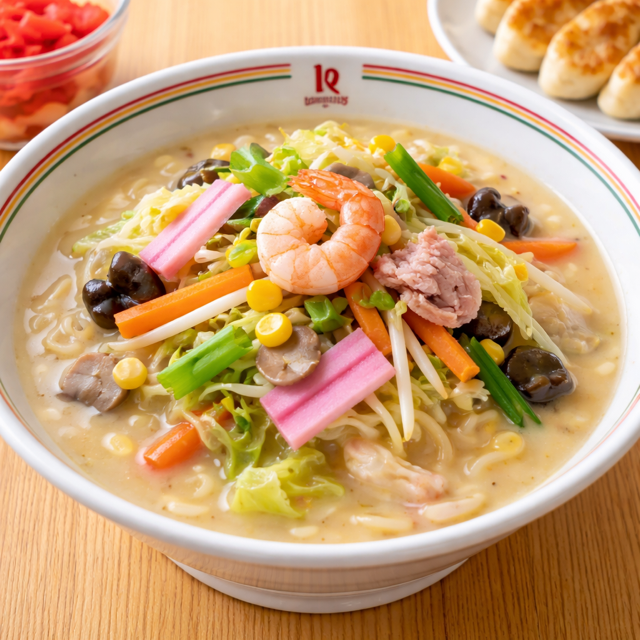
If you like tonkotsu ramen, you should definitely try Nagasaki champon, which is said to be one of the roots of tonkotsu ramen. Champon was born in Nagasaki in the 19th century and has an even longer history than tonkotsu ramen. Today, tonkotsu ramen is known for its creamy pork-bone richness, but few people realize that its story may trace back to the unique history of Nagasaki.
For centuries, Japan limited its contact with the outside world. However, Nagasaki was an exception. Even during the period when Japan was largely closed to foreign countries, Nagasaki remained one of the few ports open to international trade, especially with China. Because of this, Chinese merchants and students lived in the city, bringing their food culture with them. Champon was created in this environment of cultural exchange. It was designed as a nutritious and filling meal for Chinese students studying in Nagasaki.
At the heart of champon is its pork-bone broth, which gives the soup its milky appearance. Unlike many other noodle dishes, the noodles and ingredients are cooked together directly in the broth. Pork, seafood, cabbage, and bean sprouts simmer in the same pot, allowing their flavors to blend naturally. This cooking method creates a rich yet balanced bowl.
Over time, this pork-bone soup style spread beyond Nagasaki to other parts of Kyushu. As people moved and food culture evolved, the emphasis shifted more strongly toward the pork broth itself. Eventually, it developed into what we now know as tonkotsu ramen. For this reason, champon is often regarded as one of the roots of tonkotsu culture.
When I first tried champon, I was surprised by how rich the soup was, despite its pale appearance. The broth looked mild at first glance, but the flavor was deep and full-bodied. The savory taste of pork and seafood blended with the natural sweetness of the vegetables. Because the noodles are cooked directly in the soup, each bite carries the flavor of the broth. The slight crunch of cabbage contrasts with the soft noodles, creating a satisfying texture. Everything works together in one harmonious bowl.
Another appealing point is that champon feels generous without being overwhelming. The abundance of vegetables adds freshness, so even though the broth is rich, the dish does not feel too heavy. It is the kind of meal that fills you comfortably.
The good news is that you do not have to travel to Nagasaki to enjoy it. While the dish was born in this historic port city, you can now find champon almost anywhere in Japan.
Ringer Hut, a nationwide restaurant chain specializing in champon, has locations across the country. I eat there quite often myself. It is one of the easiest ways to experience this historic yet everyday dish.

Photo: https://www.tripadvisor.jp/Restaurant_Review-g1066454-d19074576-Reviews-Ringer_Hut_Premium_Haneda_Airport_Terminal_1
If you love tonkotsu ramen, give Nagasaki champon a try. Born from cultural exchange and now enjoyed nationwide, it offers not only rich pork-bone flavor but also a glimpse into the history behind one of Japan’s most famous noodle styles.