Hiroshima Okonomiyaki: A Symbol of Resilience
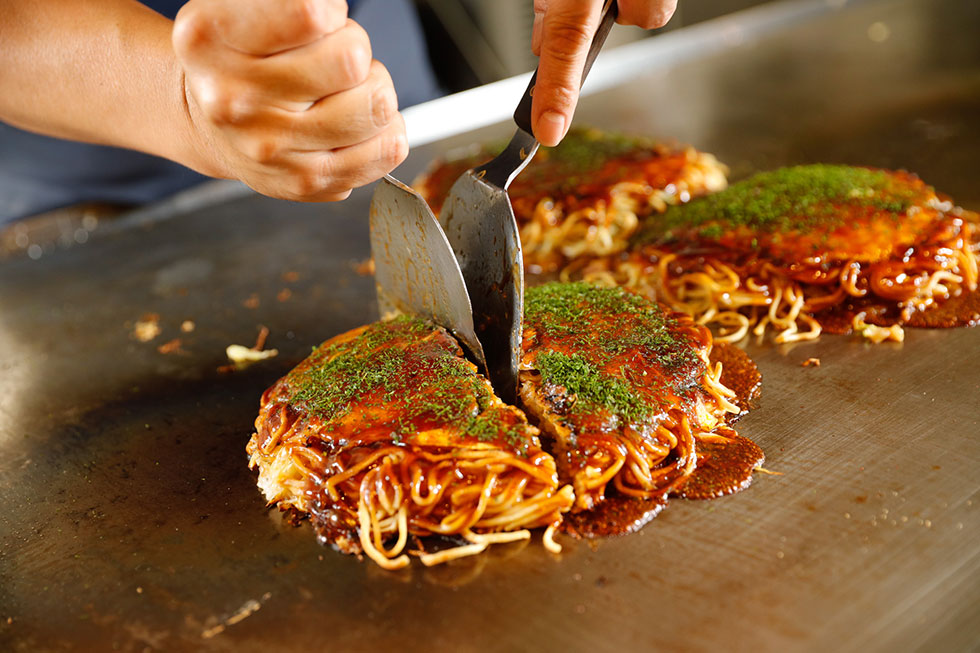
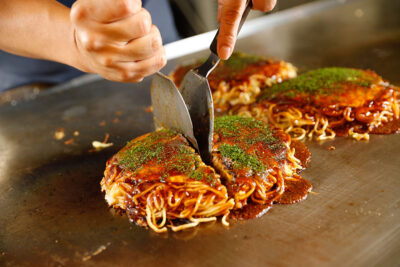
When most people think of okonomiyaki, they imagine the mixed Osaka-style pancake. But Hiroshima-style is also very popular in Japan. Its main feature is that the ingredients are not mixed but carefully stacked in layers. It begins with a thin crepe-like base, topped with piles of cabbage, bean sprouts, and pork, and finished with noodles and a fried egg.
This dish became a source of support for people rebuilding their lives in post-war Hiroshima. Small food stalls began to appear in the ruins. Soon, they spread throughout the city. As daily life was gradually restored, okonomiyaki evolved into a staple meal.
To me, okonomiyaki represents Hiroshima’s recovery. In this column, I would like to share the story behind this evolution.
Photo: https://hitosara.com/0006075171/
After World War II, Hiroshima was left in ruins. Many people lost their homes, and there was not enough water or electricity. People lived in simple shacks and shared the limited food they had. Even having a warm meal was difficult for many people. In such harsh conditions, a single dish cooked on an iron griddle became a precious source of comfort.
Iron plates found in the rubble were used as makeshift grills. In those days, rice was extremely precious, and many families could not get enough of it. Meanwhile, flour and cabbage were relatively easy to obtain. People mixed the rationed flour with water, spread it thinly, and topped it with generous amounts of cabbage. It was a practical way to fill their stomachs with limited ingredients.
Many women who had lost their husbands in the war began small businesses in front of their homes using these iron plates. This became one of the foundations of Hiroshima’s okonomiyaki culture. Even today, many shops bear women’s names, such as “Micchan.”
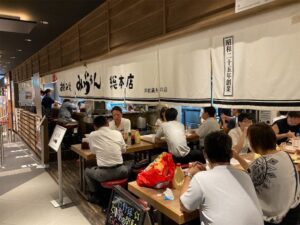
Photo: https://www.okonomi.co.jp/
During my student days, my teammates and I used to stop by an okonomiyaki shop almost every day after baseball practice. I always ordered the same one: pork, egg, squid, and noodles layered together.
The savory smell of the sauce drifted from the iron griddle. We waited for our food to be ready while listening to the light clatter of spatulas on the hot griddle. After exhausting practice, that one dish felt like a special reward.
The generous portions of cabbage and noodles satisfied our hunger and warmed us from the inside. I will never forget the time we spent around the hot griddle, talking about our plays of the day or the next game. Watching the owner cook skillfully was part of the charm of the shop.
Many okonomiyaki restaurants line the streets of Hiroshima today. For me, they represent a chapter of the city’s post-war resilience. When you visit Hiroshima, take a moment to think about the history behind the okonomiyaki on your plate.