Beyond the Broth: Why Udon Tastes Different Between East and West
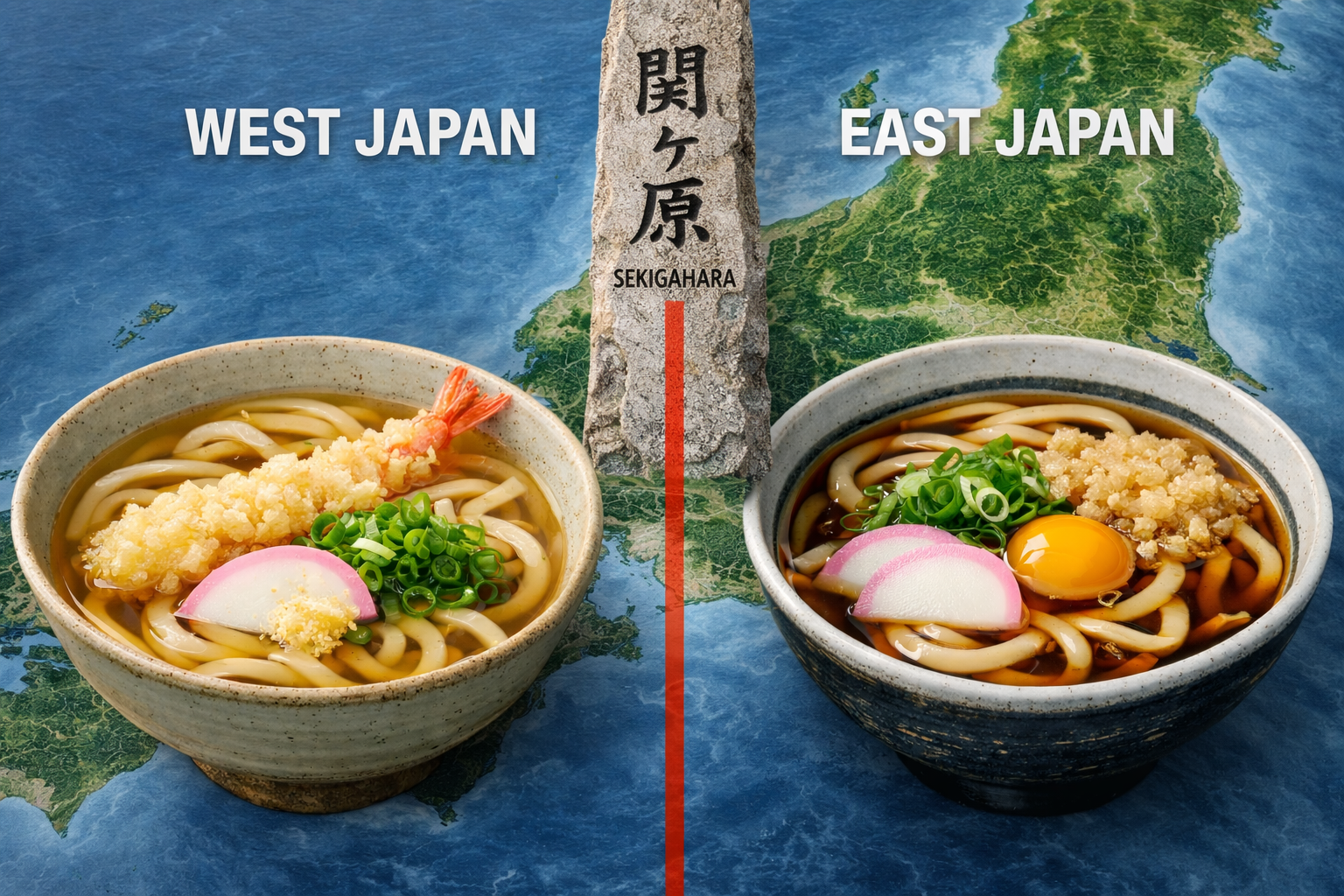
If you travel through Japan, be sure to try the udon in both Tokyo and Osaka. You will likely notice that the soup in Tokyo is dark and bold, while the soup in Osaka is light and delicate. This column explores why the flavor of udon differs between Eastern and Western Japan.
The difference in taste between the East and West is no coincidence. It is rooted in centuries of history, regional trade routes, and even the nature of the water itself.
In old Edo (Eastern Japan), a culinary style centered on dark soy sauce and bonito flakes developed to provide energy for physical laborers. In contrast, Western Japan—especially around Kyoto—built its cuisine around premium kelp (kombu) brought by the Kitamaebune merchant ships. To highlight the delicate flavor of kombu, cooks refined the use of light soy sauce.
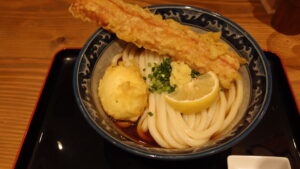
Photo: https://f679db3932c2e3c6b7d3495c0a7dce77
Water also plays an important role. Eastern Japan has relatively harder water, which makes it more difficult to extract the umami from kelp. Western Japan, on the other hand, has softer water that draws out kombu’s rich flavor more easily. These historical and environmental differences have shaped two distinct dashi traditions that continue today.
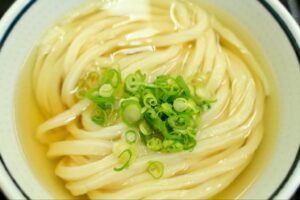
Photo: kawaroku.co.jp/archives/245
I was born and raised in Hiroshima, in Western Japan. There, udon typically features a light-colored broth made from kelp stock. For me, udon always meant a clear, golden soup.
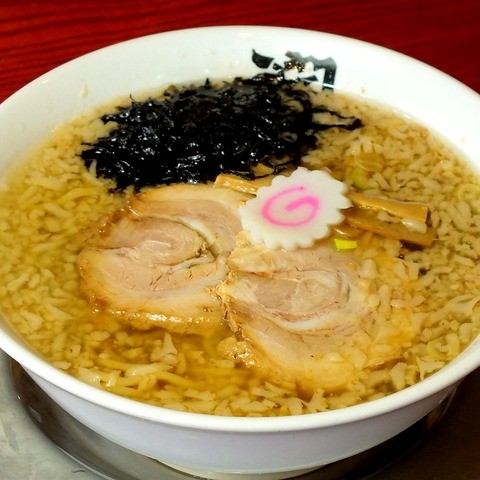
Later, I moved to Niigata in Eastern Japan for work. Although I knew that flavors differed across the country, the reality was beyond my expectations. When I took my first sip, it was nothing like the gentle, slightly sweet broth I grew up with. The Niigata soup carried a strong presence of dark soy sauce and bonito, with a sharper saltiness. That single bowl completely changed my image of what udon could be.
Over time, however, I gradually grew accustomed to that bold Eastern flavor. It eventually became normal to me.
Yet when I returned to Hiroshima and tasted the clear, delicate broth of Western-style udon again, I felt an unexpected sense of comfort. At that moment, I realized how deeply flavor is tied to the place where we grow up.
If you travel from Tokyo to Osaka, try stopping for udon along the way. You may begin to notice how the flavor shifts as you move from East to West. Within a single bowl of udon lies the story of Japan’s divided yet connected culinary heritage.