A Small Kindness in a Japanese Bathhouse
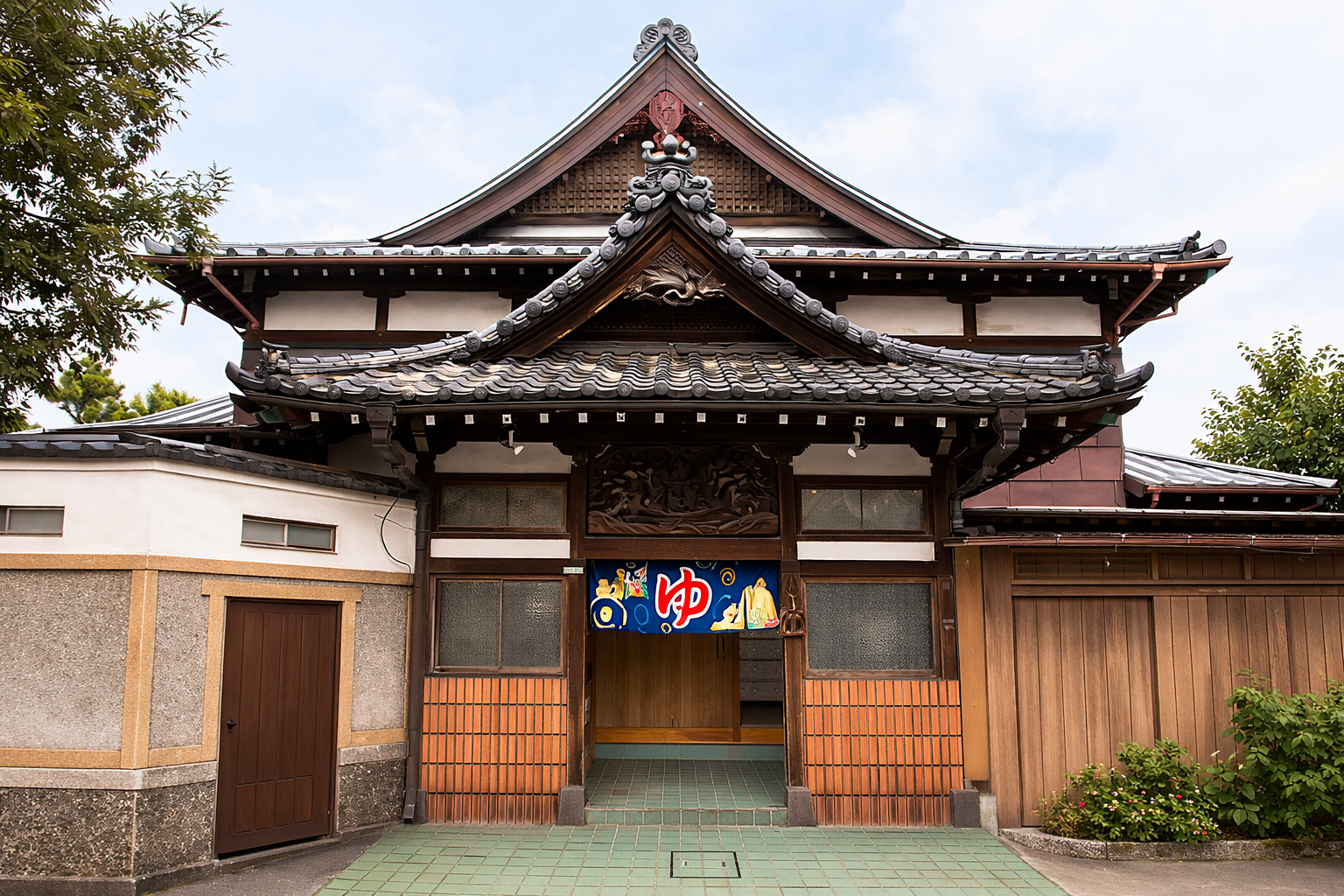
Public bathhouses in Japan were once places where small acts of kindness happened every day. Even now, the faint smell of steam sometimes brings that memory back to me. It is a scene from the women’s bath of a neighborhood bathhouse when I was very young.
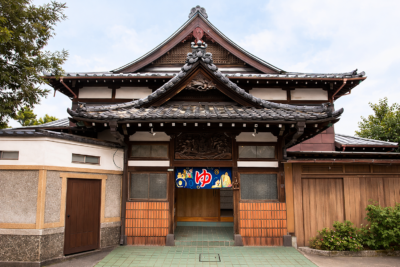
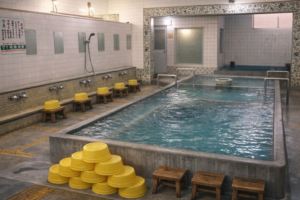
The bathhouse itself was simple, with only a large tub and a shallow one in a modest local building. When a mother stepped out of the bath carrying her baby, a woman working in the changing area—separate from the attendant at the front desk—would quietly take the child without a word. She would wipe the baby dry, dress them quickly, and sometimes feed them milk from a bottle.
During that time, the mother washed her hair and body, enjoying a few quiet moments to herself. To me, as a child, this was nothing unusual. It was simply part of everyday life. But now, as an adult, I sometimes find myself thinking back to those moments in the women’s bath.
In those days, many homes in Japan did not yet have their own baths, and my family, like many others, went to the neighborhood bathhouse almost every day. In the evening, people gathered there carrying small towels and bath buckets. After greeting the attendant at the front desk, they would enter the bath.
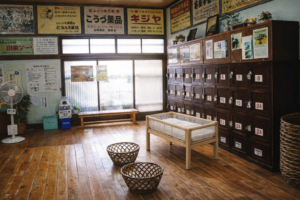
In the changing area, the same people often gathered, exchanging small remarks like, “It’s cold today.” Beneath our feet was a wooden floor designed to withstand water. Children’s voices echoed through the steam, and the scent of soap filled the air.
Most children came with their mothers, though sometimes neighborhood children arrived on their own. In a place like that, people naturally greeted each other and exchanged a few words.
By the time I entered elementary school, that scene had quietly disappeared. At the time, I did not think much about the change. I simply noticed that the familiar sight was no longer there.
Yet even now, I sometimes remember the women’s bath. I recall the mothers who, after handing their babies to the attendant, sank into the hot water up to their shoulders and closed their eyes for a moment.
As a child, I did not think about what it meant. I simply watched the scene quietly. Looking back now, however, those few minutes remain clearly in my memory.
Sometimes I find myself remembering that scene in the women’s bath. At the time, it was simply an ordinary part of daily life.
Looking back now, I feel that those quiet moments reflected a gentle kind of care in everyday Japanese life.
There were no special rules—just someone quietly offering a helping hand. It was one of the small kindnesses once found in everyday life at a Japanese public bathhouse.

Yoshiko Niino is a midwife dedicated to improving Sexual and Reproductive Health and Rights (SRHR) throughout her career. After gaining clinical experience as a midwife, she lived in the United States for about seven years, where she gained intercultural experience and polished her English by taking a Master’s degree in Biomedical Ethics in English. She then returned to Japan and has since gained experience in administrative positions in the Ministry of Health, Labor and Welfare, and at an international health economics institution, during which she took a Ph.D. in medicine, followed by professor’s positions at undergraduate and master`s levels in nursing and midwifery. She now seeks to leverage these life experiences as a column writer in Tokyo.