
Kyaraben: Edible Art Made with Love
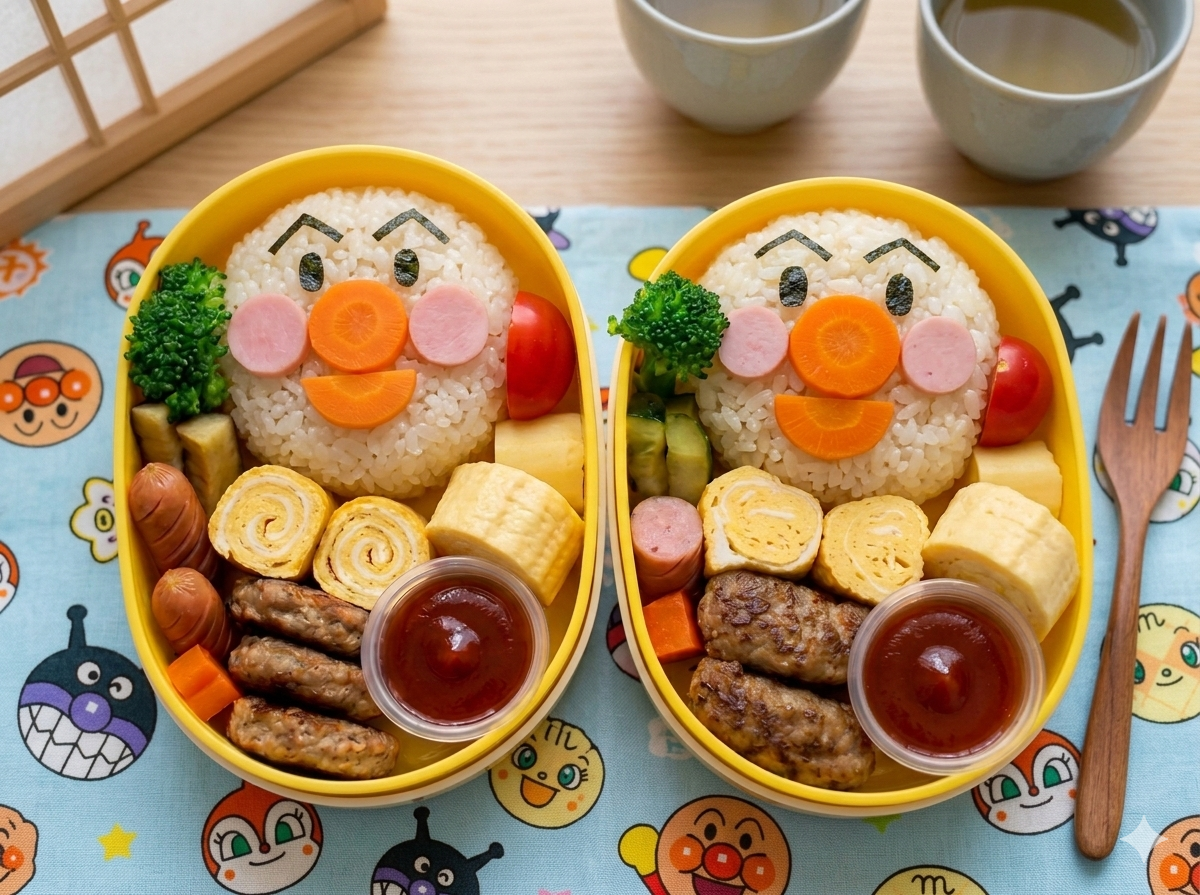
In Japan, a lunch box is more than just something to fill your stomach. People care not only about the taste, but also about the colors and presentation of the food. Many believe that food should be enjoyed with the eyes as well as the palate. One symbol of this culture is kyaraben, a type of lunch box in which food is shaped like characters. It is like a small piece of edible art. In this column, I share my own experience and explore the care and love expressed through kyaraben.
People make kyaraben for a simple reason: to bring a smile to someone’s face.In Japan, lunch boxes are often arranged with a balance of red, green, and yellow, and small portions of seasonal ingredients are added. This attention to appearance becomes even more important in kyaraben, where food is designed to look cute and fun as well as tasty. Kyaraben also carries a quiet message: “I made this while thinking of you.” Because of the cheerful faces, children feel happy and sometimes even eat vegetables they usually dislike.
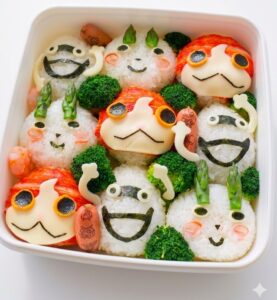
Making kyaraben is not as difficult as it looks. For example, adding seaweed eyes and a mouth to a round rice ball can quickly turn it into a smiling face. Even a small change in the shape of the food can transform a lunch box into a playful little world.
I have a special memory of kyaraben. When I was very busy with work, I made one for my child’s school trip for the first time. I was worried that I might not do it well, but imagining my child’s smile as I worked filled me with warmth.
When I picked up my child, they ran up to me and said their lunch looked like Anpanman, then gave me a big hug. At that moment, all my tiredness disappeared. After that day, I began making kyaraben with seasonal themes—cherry blossoms in spring and snowmen in winter. Inside each small lunch box, I placed my wishes of good luck and love.
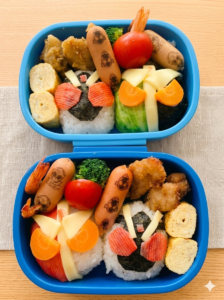
Kyaraben is more than just cute food. It reflects care for the person who eats it and a Japanese spirit of putting time and effort into even small daily acts. When you visit Japan, try looking for kyaraben tools at supermarkets or 100-yen shops. Even during a short stay, you may catch a glimpse of how Japanese culture expresses love and thoughtfulness through small details.