A Bud of Success: Japan’s Hidden New Year Vegetable
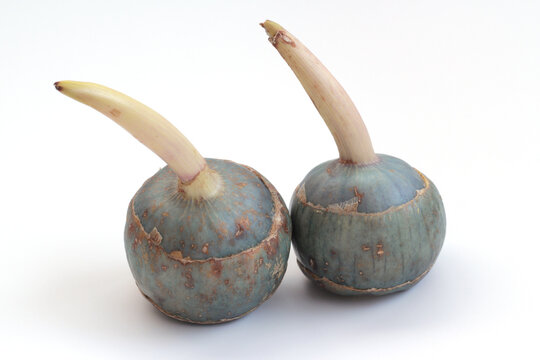
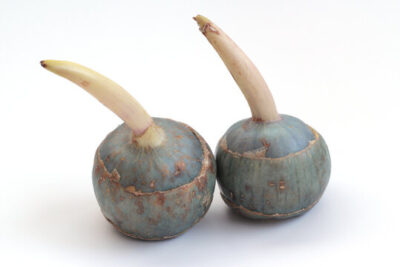
In Japan, there are many foods that are considered lucky for the New Year. One of these lucky foods is a vegetable known as kuwai. It has a round shape with one straight sprout growing upward. The straight sprout symbolizes strength and growth.
In Japanese, the phrase me ga deru can mean both “a sprout appears” and “to succeed.” Because of this wordplay, kuwai became closely associated with New Year’s celebrations. In this column, I’ll explore the meaning of kuwai and its place in Japanese New Year traditions.
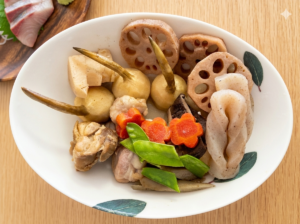
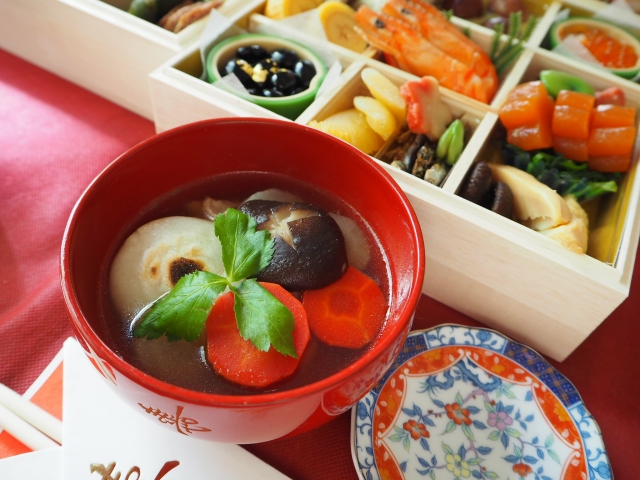
Kuwai is especially valued during the New Year because of both its appearance and its season. The straight sprout came to represent a wish for good things to happen in the coming year, which made it a natural addition to osechi dishes. In addition, kuwai is a winter vegetable that is only available at the end of the year. Because it is harvested during the cold months, it has long been seen as a fitting food for welcoming a new beginning. Over time, its form and its season together closely connected kuwai with the New Year.
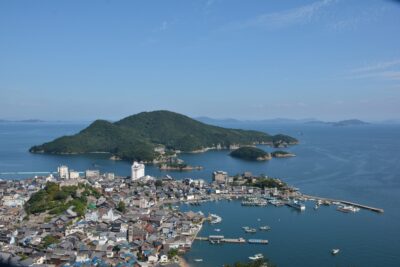
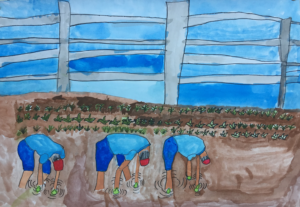
Fukuyama City in Hiroshima Prefecture is known as a kuwai-growing area. There is a kuwai field next to my house. In winter, I see farmers carefully digging kuwai out of the mud. They check the direction of each sprout and gently pull it out so they do not break it. Their quiet and careful work reminds me that the New Year is near.
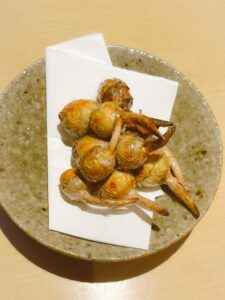
For the New Year, we add kuwai to simmered dishes. While keeping the sprout unbroken, we pray for our family’s health and good fortune. The sweet and salty kuwai has a soft texture with a slight bitterness. This mild bitterness tastes better as you grow older. I also enjoy kuwai deep-fried. The outside becomes crispy while the inside stays soft. Its gentle bitterness pairs well with drinks.
In Fukuyama, children grow kuwai at school. In fields with clean water, they step into the mud and experience harvesting. Because kuwai is slightly bitter, catching crayfish in the waterway often seems more exciting than harvesting the vegetables. Still, going into the fields and touching seasonal crops is an important experience. It allows children to experience the winter of this area firsthand.
Kuwai is a New Year’s vegetable whose small sprout represents wishes for growth and success. When you spot its straight sprout at a market or in osechi dishes, remember the quiet hope for the coming year. You may feel a little closer to Japan’s seasons and traditions.