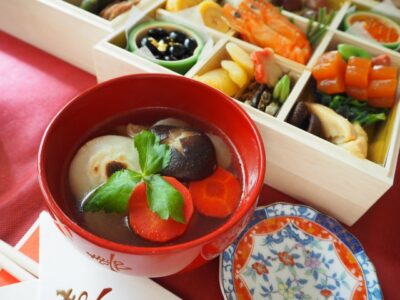


Ozoni: Japan’s Most Meaningful New Year Dish
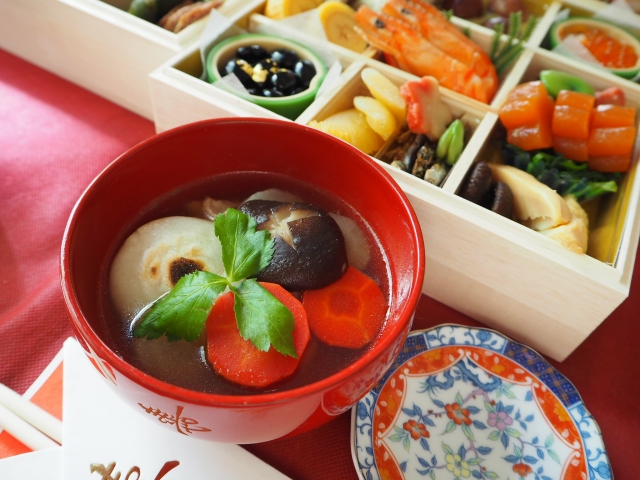
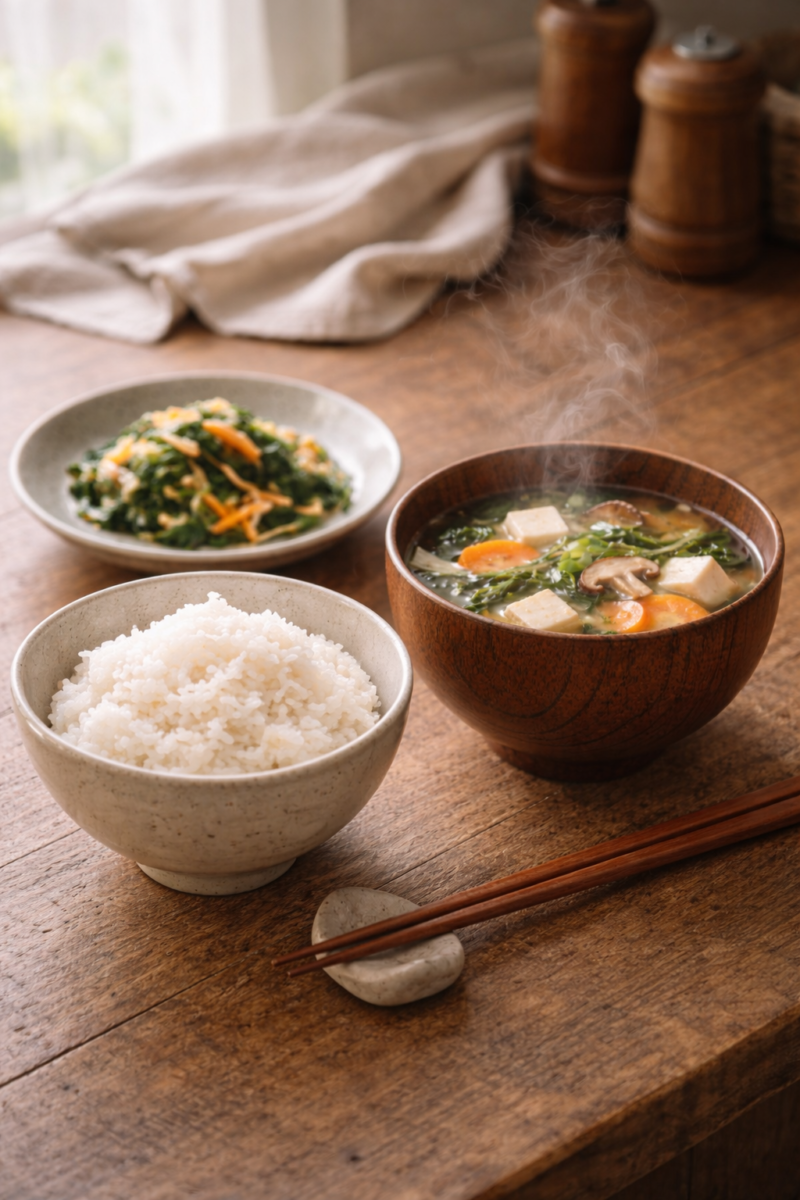
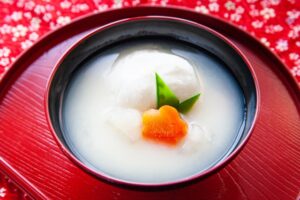
On the morning of January 1st, many families in Japan gather and eat ozoni. Ozoni is a soup with rice cakes. Its taste is simple and gentle, and it is a symbol of the Japanese New Year. Ozoni may share the same name across Japan, but it looks quite different depending on the region. In eastern Japan, ozoni contains grilled square rice cakes, while in western Japan it contains boiled round ones. The broth and flavors vary widely from region to region, with some areas using white miso and others a clear broth. In this column, I will introduce the differences of ozoni in each region and the wishes behind this special dish.
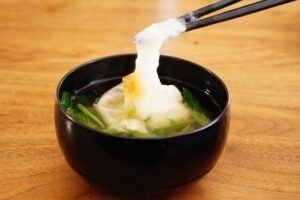
Ozoni is filled with wishes for happiness in the New Year. It is eaten during the New Year, the most important holiday in Japan. Ozoni always has rice cakes. In Japan, rice cakes are considered a symbol of good fortune. They are believed to bring long life because they stretch, and strong perseverance because they are sticky. People also add vegetables, seafood, and meat. These ingredients represent wishes for a prosperous and healthy year. Eating ozoni at the New Year is a way of praying for the health and happiness of one’s family. The style is different in every area, but each family has its own taste.
Our family’s ozoni is special, reflecting our roots. First, there is my father’s Tokyo-style ozoni. It has clear broth, chicken, naruto (fish cake), mitsuba and a square rice cake. When I smell it, I am reminded of the New Year days with my family when I was a child, and it makes me feel at home.
After I got married, I first tasted my husband’s family’s ozoni. It was completely different from the one I grew up with. Their ozoni features seafood such as yellowtail and clams. The yellowtail and clams add a deeper, richer flavor.
Now our ozoni combines my father’s Tokyo-style broth, my husband’s family’s seafood tradition, and the local flavors of Hiroshima, where we live. Oysters are a winter specialty in Hiroshima, and everyone in my family loves them. Our ozoni is based on a Tokyo-style clear broth, with yellowtail and oysters added to it. We finish it with mitsuba and salmon roe, which give it a festive New Year look. Yellowtail is considered a lucky fish that symbolizes growth and success, and oysters are also seen as a symbol of good fortune.
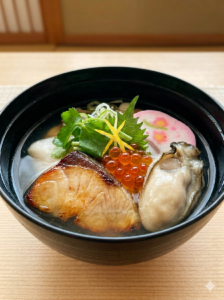
Ozoni is both a regional dish and a family tradition. The style may change from region to region and family to family, but the wish behind it remains the same. Each bowl carries the history of a region and a family. When we eat ozoni, we feel a quiet sense of warmth and find ourselves hoping for our family’s health and happiness in the year ahead. If you visit Japan during the New Year season, try ozoni at a ryokan. There, you can taste the region’s own version of ozoni. One bowl offers a glimpse of Japan that guidebooks cannot capture.