Folklore Is Still Alive in This Japanese Town
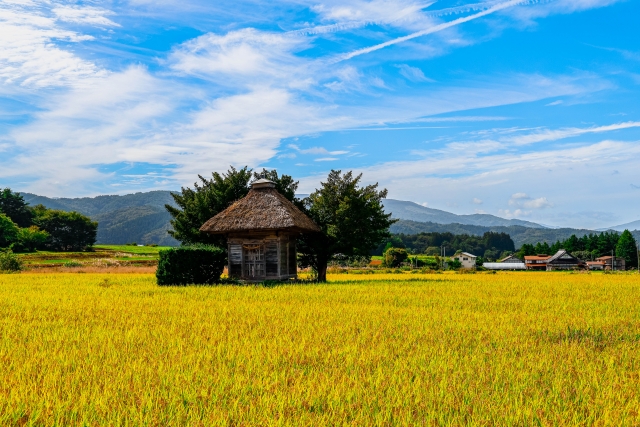
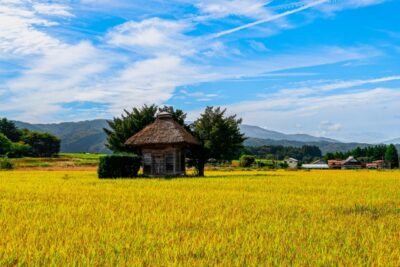
In many countries, ghosts and spirits exist only in stories. But in Japan, there is a town where these supernatural tales are still rooted in real places and everyday life. That town is Tono, surrounded by the mountains of northeastern Japan. When I visited Tono, I felt as though I had stepped into a living folktale. In this column, I will share the world of yokai—supernatural beings in Japanese folklore—and the stories I encountered there.
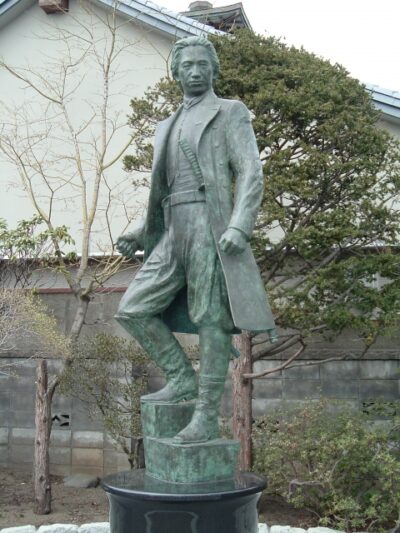
The folktales of Tono were recorded by the Japanese folklorist Kunio Yanagita. He listened directly to the villagers and wrote down their stories in a book known as The Tales of Tono. These were not simply works of imagination, but stories people said they had actually experienced. When I learned this, I realized that the tales of yokai were not just old stories, but memories deeply rooted in the land. Even today, storytelling gatherings are held in Tono where local people tell these folktales aloud. The stories continue to be spoken and heard in everyday life.
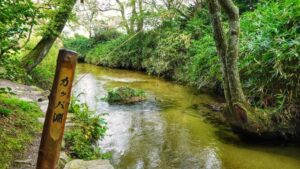
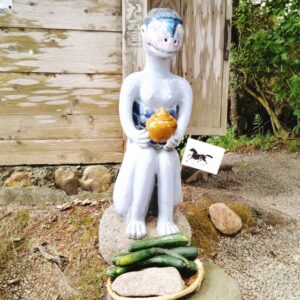
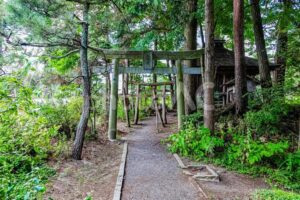
When I visited Tono a few years ago, I went to Kappa-buchi, a small, quiet river just outside the town that is known for legends of kappa, a water-dwelling yokai in Japanese folklore. Surrounded by trees, the river felt dim even during the day. There were only about five people there, including us. It was so quiet that I could hear nothing but the sound of the flowing water. On the riverbank stands a small shrine dedicated to the kappa. When I stood in front of it, I felt a slight sense of tension. The air was so still that it seemed possible for something to appear at any moment. Local people say that kappa are not just frightening monsters, but beings that live alongside the river. As I looked at the water and thought about this, they felt less like creatures from a fantasy and more like something that belonged to that landscape.
There is also an inn in Tono where a zashiki-warashi—a spirit believed to bring good fortune—is said to appear. Even today, the story continues to draw visitors who hope to encounter a touch of the unseen world.
Tono is called the Home of Folklore because the nature that inspired these stories, the traditional way of life, and the storytellers who pass them down still remain there today. It is one of the few places where you can not only read about folktales, but actually visit the world they grew out of. If you would like to step into the world of Japanese folklore, I hope you will visit Tono someday.