Not Just Matcha: A Softer Taste of Kyoto
When you think of Kyoto, matcha is probably the first thing that comes to mind. As you walk through the city, you see matcha ice cream, parfaits, and lattes almost everywhere. The bright green color immediately catches your eye, and many visitors feel they have to try it at least once. I enjoy matcha, but sometimes it feels a little too bitter for me. When extra sugar is added to soften the flavor, it can turn too sweet instead. Its rich taste is attractive, yet after a few bites, it may start to feel slightly heavy. Each time I visit Kyoto, I tell myself I will choose matcha. But in the end, I often order something else. That something is hojicha — a mellow roasted flavor I return to again and again.
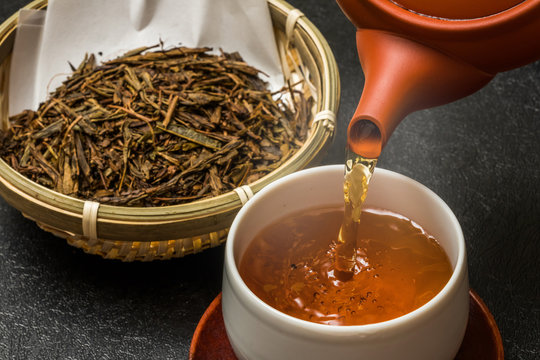
Hojicha is made by roasting green tea leaves at high heat. This process reduces bitterness and creates a warm, roasted aroma. When you bring it closer, you notice a scent that is slightly similar to coffee, but much softer and gentler. What makes hojicha special is its delicate balance. When you taste it, you feel both a light sweetness and a mild bitterness. Neither one is too strong. Because of this balance, you can enjoy it to the very last spoonful without getting tired of it. You notice this balance even more in desserts. Even sweets made with fresh cream or butter feel lighter when hojicha is added. It doesn’t feel too sweet, and you are left with a clean aftertaste. Since it is less bitter than matcha, people who are new to Japanese tea often find it easy to enjoy.
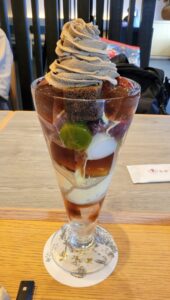
When I am in Kyoto, I always stop by a Japanese tea café. After walking for hours, you feel an immediate sense of relief as you step into a quiet space. A gentle roasted aroma fills the air. My favorite dessert is hojicha parfait. When you look into the glass, you see layers of ice cream, mousse, and jelly. With each spoonful, you notice a different texture, yet the overall flavor remains smooth and well-rounded. You smell the roasted aroma first, and then a mild sweetness follows. Sometimes it is served with white mochi, red bean paste, and dark syrup. The brown, white, and black colors create a calm and simple image. This is very different from the bright green of matcha.
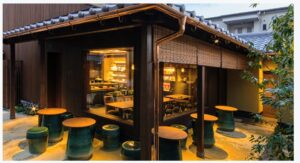
At places like Tsujiri Uji Honten in Uji, you can sit in a traditional wooden building and relax. As you settle into the warm, wooden space, it feels like a world away from the busy streets outside. Unlike matcha, which makes a bold impression, hojicha offers a more understated experience. It helps you unwind after a long day of sightseeing.
Trying matcha is an important part of visiting Kyoto. But if you find its flavor a little too bold, you might want to choose hojicha instead. It may not look flashy, but once you taste it, you notice its subtle balance and comforting aroma. You may find yourself choosing it again the next time you visit.
After exploring Kyoto’s historic streets, you can sit down in a quiet café and enjoy a cup or a dessert made with hojicha. In that peaceful moment, you may realize that this quiet flavor has become one of your favorite memories of the city.